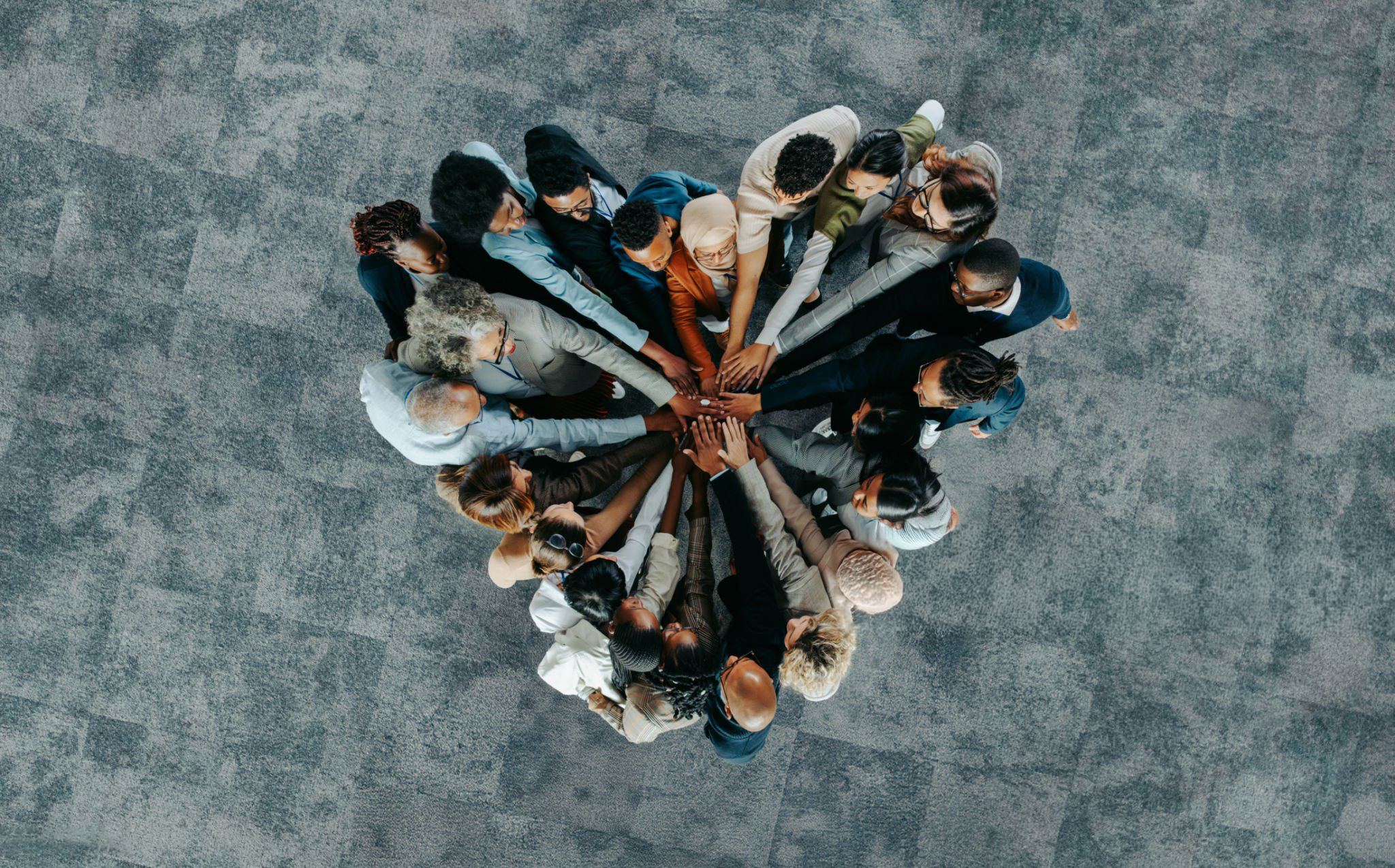
Designing for Belonging
Creating Inclusive Workplaces for South Africa's Diverse Workforce
The workplace has evolved. It's no longer just a place to get the job done, it's a place where people connect, collaborate, and build a sense of belonging.
In South Africa, where our workforce is incredibly diverse, creating a workplace where everyone feels welcome, valued, and included has never been more important.
Because while diversity is about who's in the room, belonging is about whether people feel comfortable enough to contribute once they're there.
Beyond Diversity: Designing for Belonging
Most organisations have made significant strides in building diverse teams. But creating diversity is only the first step. The real opportunity lies in creating environments where people from different backgrounds, cultures, generations, and experiences feel like they truly belong.
Think about the best workplace you've ever been part of. Chances are it wasn't because of the furniture or the finishes. It was because you felt comfortable being yourself, sharing ideas, and connecting with the people around you.
South Africa's Unique Workplace Landscape
South African businesses are uniquely positioned when it comes to workplace design. Our teams are often made up of multiple generations working side by side, diverse cultural backgrounds, different languages, and a wide range of working styles. That's a huge advantage when it comes to creativity and innovation, but it also means workplaces need to work harder.
The traditional "one-size-fits-all" office simply doesn't meet the needs of today's workforce. Employees want flexibility. They want choice. They want spaces that support the way they work best. And that's where thoughtful workplace design becomes a powerful business tool.
The Importance of Cultural Representation
People want to see themselves reflected in the places where they spend their time. For South African organisations, this presents a unique opportunity to create workplaces that celebrate local identity and culture in meaningful ways.
That could mean incorporating local artwork, supporting local suppliers, using locally sourced materials, or telling authentic stories through the design of the space. These details do more than make an office look good. They help create a sense of pride, connection, and shared identity. When employees feel represented, they feel more connected to both the workplace and the organisation behind it.
Creating Spaces for Human Connection
Collaboration and social interaction remain some of the biggest drivers for employees choosing to spend time in the workplace.
That's why we're seeing a growing shift towards hospitality-inspired environments that feel less corporate and more human. Comfortable lounges, café-style hubs, collaborative breakout areas, and social spaces encourage spontaneous conversations and relationship-building throughout the day.
The Future Workplace is Human-Centred
As organisations continue to rethink the role of the office, one thing is becoming increasingly clear: the future workplace isn't about desks, meeting rooms, or square metres. It's about people.
The most successful workplaces will be those that create environments where employees feel welcomed, respected, supported, and connected. Spaces that accommodate different needs, celebrate diversity, and foster meaningful human interaction.
Because at the end of the day, great workplace design isn't just about creating places where people work.
It's about creating places where people belong.