Nostalgic Revival:
A South African Perspective on Commercial Interior Design
As South African workplaces continue to evolve in response to hybrid work, wellbeing priorities and rapid technological change, a quieter but deeply meaningful trend is emerging in commercial interior design: nostalgic revival.
This isn’t about recreating the past or leaning into retro for retro’s sake. In a South African context, nostalgic design draws from shared cultural memory, familiar materials and place-based references to create workplaces that feel grounded, human and authentic.
In a country shaped by contrast, history and resilience, nostalgia becomes a powerful design language.
Why Nostalgia Resonates in South Africa
South African businesses operate in a uniquely complex environment, one where trust, connection and identity matter deeply. After years of disruption, loadshedding, economic pressure and shifting work patterns, people are craving spaces that feel stable, welcoming and emotionally safe.
Nostalgic design speaks to this need by referencing what feels known and comforting
- Materials we recognise
- Colours tied to landscape and climate
- Spatial cues that feel informal and familiar rahter than corporate
In doing so, offices become less transactional and more relational — places that support people, not just productivity.
Local Expressions of Nostalgic Design:
1. Materials with Memory
Locally familiar materials are central to this trend. Timber, clay brick, terrazzo, concrete and stone are being reintroduced in refined, contemporary ways. These materials reference everything from mid-century civic buildings to suburban homes and coastal holiday spaces - creating instant familiarity without imitation.
The emphasis on natural textures also aligns with sustainability goals and supports local manufacturing and craftsmanship.
2. Colour Palettes Inspired by Place
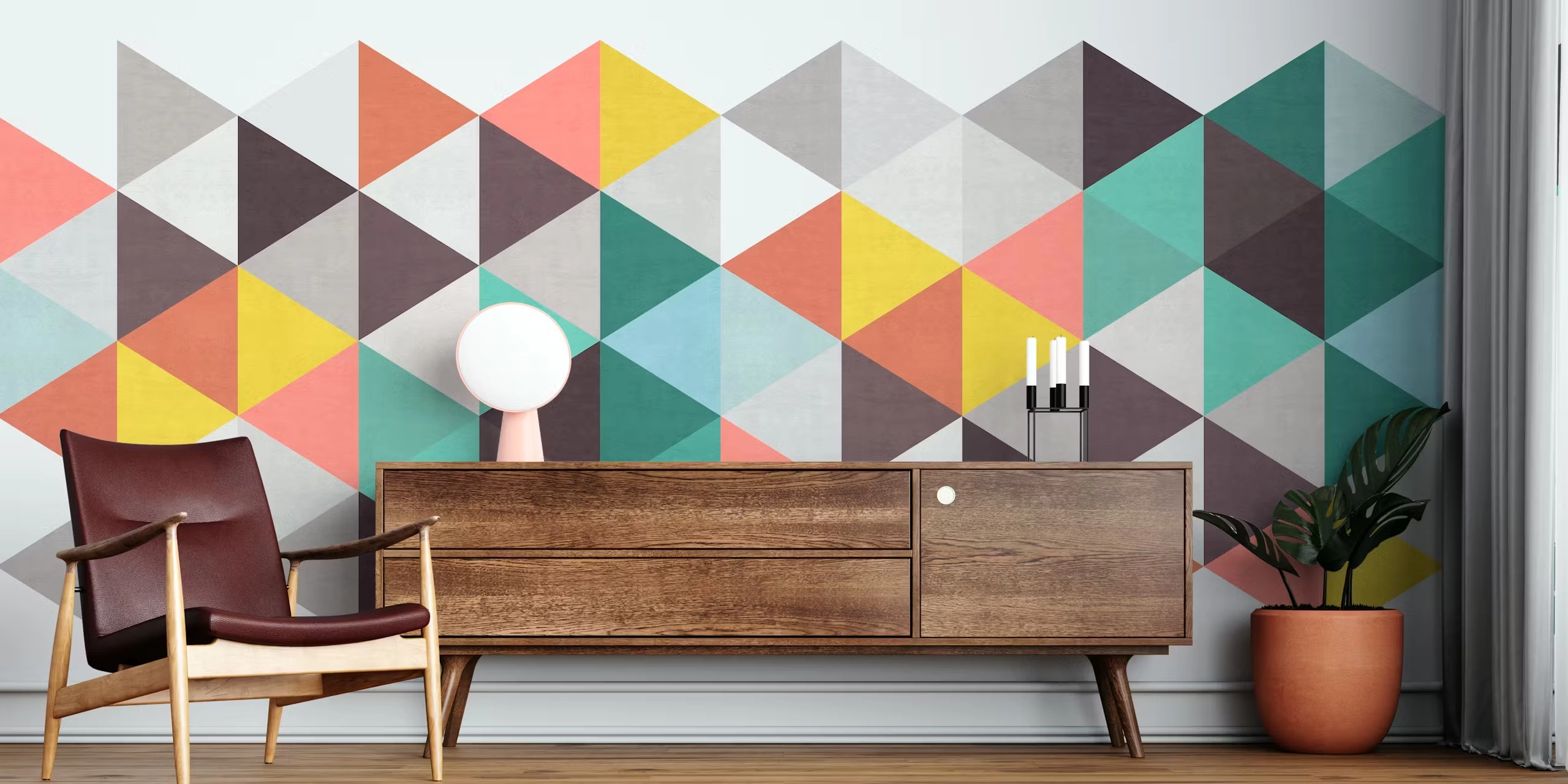
South African nostalgic palettes draw heavily from the natural environment: Karoo neutrals, sun baked terracotta, fynbos greens, ocean blues and warm earth tones. These colours feel calm, timeless and emotionally grounding —particularly important in high-pressure commercial environments.
Rather than high-contrast corporate schemes, these palettes create softer, more welcoming workplaces that encourage people to stay longer and engage more deeply.
3. Residential and Hospitality Influence
The South African office has long borrowed from hospitality, and nostalgia amplifies this. Café-style workspaces, lounge seating, layered lighting andinformal meeting areas reflect how people naturally gather — at home, inneighbourhood cafés or on verandas.
These spaces support collaboration, connection and flexibility, while also making the office feel less intimidating and more inclusive.
A Tool for Culture, Talent and Brand
For South African organisations competing for talent and client trust, nostalgic designcan become a strategic advantage. It communicates authenticity, stability andcare — qualities that resonate strongly in local business culture.
Workplaces that feel relatable and human:
- Encourage employees to return to the office by choice
- Support wellbeing and psychological safety
- Reinforce brand identity through atmosphere rather than overt branding
- Create memorable environments that clients connect with emotionally
Designing with Memory, Building for the Future
In a rapidly modernising world, nostalgic revival allows South African workplaces to honour where we come from while confidently moving forward. By drawing on shared memory, local materials and a sense of place, commercial interiors can feelboth progressive and reassuring.
Ultimately, nostalgia in design is not about the past — it’s about creating workplaces that feel meaningful, familiar and deeply human in the present.